


The sedentary lifestyle, typical for office workers and those who like to relax in front of the TV or behind a monitor screen, often becomes the cause of osteochondrosis.The first signs of this disease can appear as early as 25 years of age and, if left untreated, complications can have serious consequences.
In the article we will look at what osteochondrosis of the cervical spine is, the main causes of this disease, its symptoms and stages, treatment methods, and also answer other questions that arise in patients with osteochondrosis.
Osteochondrosis of the cervical spine (Osteohondroz) are degenerative-dystrophic lesions of the intervertebral discs, as a result of which the discs themselves, vertebrae and joints of the cervical spine are damaged and a decrease in the height of the intervertebral discs is observed.The disease progresses if left untreated and can cause headaches, poor circulation and even a hernia.Like osteoporosis, the disease occurs due to disturbances in mineral metabolism, which causes bones and joints to become less strong.
Osteochondrosis can cause instability of the cervical spine (symptoms and treatment are similar to chondrosis, but have several features), which is often accompanied by displacement of the vertebrae.In turn, this accelerates the development of osteochondrosis, destroying the spinal region.
Causes of osteochondrosis
The main reasons that can cause osteochondrosis:
- poor nutrition and excess weight;
- poor posture, scoliosis, rheumatism, flat feet;
- sedentary lifestyle: sedentary work (drivers, office workers), lack of physical activity, etc.;
- previous neck injuries, spinal injuries;
- too much unusual physical activity for the body;
- nervous tension, frequent stress;
- hereditary predisposition to the development of the disease;
- inadequate development of the cervical spine.
Most of the above reasons cause tension in the cervical vertebrae, resulting in muscle spasms.Due to this, the blood circulation process is disturbed, the efficiency of metabolic processes decreases, which causes degenerative changes.The structure of the intervertebral discs changes, they become thinner and deformed, protruding beyond the spine.
Often the cause of osteochondrosis is progressive discosis that has spread to adjacent vertebrae or bone tissue.It most often occurs during prolonged physical activity in the lumbar and cervical regions, almost never touching the thoracic region.
Stages of development of osteochondrosis.
As osteochondrosis develops, it goes through several stages, characterized by certain signs and symptoms.We will analyze these stages below.
Osteochondrosis of the first degree of the cervical spine (preclinical stage)
Usually, at the initial stage of development of the disease, only a slight smoothing of the lordosis of the neck is observed;Patients experience pain that intensifies when turning and tilting the head, and feel tension and rapid fatigue of the muscles in the back and lower back.At this stage, osteochondrosis can be cured without medication;just change your diet, do exercises and other activities.
Osteochondrosis 2 degrees
In the second stage, instability is observed between the vertebrae, the patient begins to experience more intense pain, which periodically radiates to the arms or shoulders, and the pain also increases when turning and tilting the head.This occurs as a result of pinched nerves as the height of the intervertebral discs decreases.Patients begin to notice rapid fatigue, distraction, decreased performance and headaches.
Osteochondrosis 3 degrees
At this stage, the pain begins to intensify, constantly occurs not only in the neck, but also in the shoulders, and radiates to the arms.The muscles in the arm weaken and numbness occurs as herniated discs begin to form.In this case, the diagnosis reveals low mobility of the cervical spine.Patients are worried about dizziness and weakness.
Osteochondrosis grade 4
In the final stage, the intervertebral discs are destroyed and replaced by connective tissue.The pathological process affects several segments of the ridge at once, which can be in different stages of destruction.Patients experience poor coordination, increased dizziness and pain, tinnitus and other disorders.
Symptoms of osteochondrosis of the cervical spine.

Even the initial stage of the disease can be identified by the following signs:
- pain in the neck, neck, shoulders or arms;
- hand weakness;
- crunching and pain when moving the head;
- general weakness, fatigue, lack of coordination, dizziness;
- decreased visual and auditory acuity, numbness of the tongue.
One of the most common symptoms is dizziness with osteochondrosis of the cervical spine.In this case, the symptoms of dizziness may be accompanied by noises and ringing in the ears (reduced hearing acuity), a feeling of disorientation, migraines, as well as nausea and vomiting.Treatment of dizziness with cervical osteochondrosis does not require any special methods or medications and occurs in parallel with general therapy.In this case, it is the doctor who determines how to treat these symptoms;You should not try to get rid of dizziness with traditional methods.
Another unpleasant consequence is frequent headaches, especially in women.Migraines can occur several times a day and cause discomfort and pain.
Signs of disease in the cervical spine manifest themselves somewhat differently than osteochondrosis of other parts of the spine due to the fact that in the neck the vertebrae are close to each other, the height of the intervertebral discs is small, which leads to complications even with minor degenerative changes.
Cervical osteochondrosis symptoms arising in the brain
With the development of osteochondrosis, blood flow to the brain stem is reduced through the arteries, which are compressed by the protruding edges of the vertebrae.As a result, cerebral circulation is disturbed.Patients experience neurotic disorders: irritability, anxiety, frequent mood swings, susceptibility, insomnia and decreased ability to concentrate.In some cases, outbursts of anger, fear and melancholy may occur.
Vascular spasms can cause fainting, headaches, tinnitus, and spots before the eyes.Another consequence of osteochondrosis can be damage to the vestibular apparatus.In this case, the following exacerbation symptoms appear: dizziness, a feeling of instability, nausea and, in some cases, vomiting.
Symptoms of cervical chondrosis in women
In general, the signs of osteochondrosis are the same in men and women.However, women between 45 and 65 years old often experience discomfort, pain and numbness, accompanied by tingling, in the arm area during sleep.These attacks may repeat several times at night.
Diagnosis of chondrosis of the cervical spine.
To diagnose a disease in medicine, the following methods are used:
- Radiography.This method is ineffective, especially in the later stages of the development of osteochondrosis.
- Magnetic resonance imaging (MRI).A method that allows you to see bone structures, intervertebral disc herniations, their size and direction of development.
- Computed tomography.A less effective solution than MRI, since it is difficult to determine the presence and size of hernias.
- Duplex ultrasound scanning.This method is used in cases where an alteration of blood flow in the arteries is suspected.Through a scan, the speed of blood flow and whether there are obstacles to it can be determined.
Treatment of osteochondrosis of the cervical spine.
To treat a disease such as osteochondrosis, various methods are used: medications, physiotherapy, massage of the cervical neck area to supply blood to the brain and therapeutic exercises, as well as increased adherence to proper nutrition.It is the combination of all methods of treating cervical chondrosis that will allow you to achieve real results in the fight against the disease.
Despite the fact that women are more susceptible to headaches and numbness of the extremities with this disease, the treatment of cervical osteochondrosis in women is no different from the treatment in men: the same medications and exercises are prescribed.
First aid for severe pain.
For severe pain, pain relievers can be used.If medications do not provide relief, you can take NSAIDs.
"Distracting" means are often used, for example, pepper patch, which does not cure, only warms the inflamed area and distracts from pain.If swelling occurs in the inflamed area, the patient can drink a herbal infusion or a diuretic for 3-4 days.Is it possible to cure osteochondrosis with these methods?These measures are only temporary and you should consult a doctor to treat the cause.
It should be noted which doctor treats osteochondrosis.If you suspect that the cause of pain in the cervical spine is the appearance of osteochondrosis, you should consult a neurologist.It is this specialist who deals with diseases of this type.Some medical institutions have highly specialized specialists who specifically deal with spinal diseases.If your clinic has a vertebrologist, you should contact him immediately if you have questions about how to cure this disease.
Treatment of osteochondrosis with medications.
| Drug group name | action of medicine |
| Non-steroidal anti-inflammatory drugs | Reduce pain, relieve swelling and inflammation of damaged nerve root. |
| B vitamins | Helps improve metabolic processes in nervous tissue. |
| Chondroprotectors | Restore cartilage tissue. |
| Medicines aimed at improving the rheological properties of blood and blood flow. | They improve blood flow to the brain and nutrition of damaged nerve endings. |
| muscle relaxants | Drugs whose action is aimed at reducing muscle spasm. |
When taking tablets for osteochondrosis, it should be remembered that the significant effect of drug treatment with tablets will occur only if it is combined with other methods, including exercises.It is also necessary to take into account that the treating doctor must prescribe how to treat the disease depending on its stage and other signs.
Many doctors consider the treatment of cervical osteochondrosis with injections to be effective, since it allows a faster effect on the nerve endings and causes a minimum of adverse reactions.In this case, it is better to take vitamins in tablet form, since there is no difference in absorption, but injections can be painful.
Injections used for treatment:
- intramuscular injections cause a general strengthening and anti-inflammatory effect;
- The locks are introduced directly into the affected area, which leads to a quick effect.
Physiotherapy
| Electrophoresis in combination with drugs. | The medicine immediately reaches the required place through an electric current. |
| Ultrasound | It has an analgesic and anti-inflammatory effect, helps to improve metabolic processes. |
| Magnetotherapy | This type of physical therapy relieves inflammation of the tissues, thus reducing pain. |
| laser therapy | It has an anti-inflammatory effect and improves blood circulation. |
Exercise therapy for cervical osteochondrosis.
Therapeutic exercises bring the maximum effect and are safer during the recovery period.When performing physiotherapy exercises, the patient should not experience pain or discomfort.

Exercises for the cervical spine are aimed at strengthening the muscles of the neck, which will not only overcome the disease, but also serve as a preventive measure for its occurrence.
| Exercise #1 | From a lying position, with your hands resting on the floor, slowly raise your head and torso, while your back should remain straight.Stay in this position for 1 to 2 minutes, then slowly lower yourself to the floor to the starting position.The exercise must be repeated 2-3 times. |
| Exercise #2 | Lying face down, arms extended along the body, first turn your head to the left, trying to touch the floor with your ear, then repeat, turning your head to the right.Do at least 6 repetitions on each side. |
| Exercise No. 3 | Sitting on the floor, lean over as you inhale, touching your chin to your chest, then lean back as you exhale and tilt your head back.Repeat the exercise 10 to 15 times. |
| Exercise #4 | The palms are applied to the forehead, while it is necessary to press the palms on the forehead and resist with the forehead pressing the palms for 30 seconds.Then perform the exercise by pressing with your hands together on the back of your neck.Repeat 2 or 3 times. |
| Exercise #5 | Slowly turn your head in different directions.Performed 10 times on each side.When performing this exercise it is important that you do not feel dizzy, otherwise you will have to stop the exercise. |
Treatment of cervical osteochondrosis at home.
Home treatment methods are only an addition to the complex prescribed by the doctor and will not help to completely eliminate the disease.Before treating osteochondrosis at home, be sure to consult a doctor so that he can make a diagnosis and prescribe the necessary medications.It is the doctor who must determine how to treat osteochondrosis of the cervical spine at home.
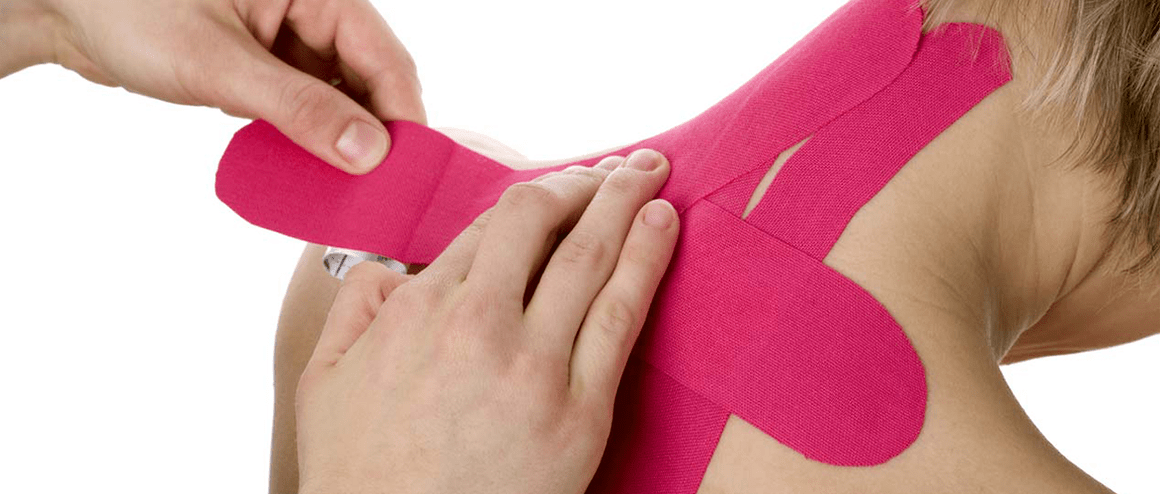
For home treatment, the following are used: traditional medicine recipes (designed to relieve pain and muscle tension, improve blood circulation), physiotherapy and mandatory massage of the cervical neck area at home.
Traditional recipes to relieve pain in the neck area:
- Place a horseradish leaf on the inside of your neck and secure it with a bandage or any breathable fabric.Before use, scald it with boiling water and cool to room temperature.It is advisable to do it before going to bed and leave the bandage on all night.
- Finely chop the potatoes and mix them with honey in equal proportions.The mixture will have an ointment-like consistency.Use it as a compress at least once a week.
- Warming up relieves pain well.To do this, you can use mustard strips, a bag of hot sand, pepper strips, or alcohol.
Often, patients start looking for ways to treat or relieve pain on various forums and similar sources.It should be noted that neither a single forum nor its visitors will be able to correctly diagnose the stage of the disease and treatment methods.The question of whether and how osteochondrosis is treated in your case should be decided by a qualified doctor based on the diagnosis.
Therapeutic massage for osteochondrosis of the cervical spine.
Massage is necessary to strengthen muscle tone and relieve pain.Depending on the stage of osteochondrosis, a massage technique is selected.However, when performing a neck massage, specialists use all the classic massage techniques: rubbing, stroking, kneading, etc.In cases where the patient has pain on only one side, the massage begins on the healthy part of the neck, gradually moving towards the part of the neck area where the pain occurs.
The massage can be done at home, but with great care so as not to aggravate or harm the patient.The patient should lie down, place his forehead on his hands and extend his chin to his chest.In this case, the neck muscles must be completely relaxed.
| caressing | It is necessary to start the massage with these movements: stroking the neck area in the direction from the lymph towards the supraclavicular and axillary nodes.Then flat and comb-shaped strokes are applied. |
| push-ups | To perform push-ups, the massage therapist places his or her hand on the neck (index finger and thumb should be together) and down the spine.Grips can also be performed with the edge of the palm up to the shoulder joints. |
| rubbing | Rubbing is done to warm the muscles, relax them and improve blood flow in this area.The massage should start from the base of the skull, using circular and straight movements with the fingers.You can also perform sawing movements by placing your palms parallel to your ribs. |
| Knead | The neck should be kneaded in circular movements. |
| Vibration | The massage ends with caresses and vibrations, which are performed by shaking and tapping. |
Prevention of osteochondrosis of the cervical vertebra.
To prevent the onset and development of the disease, doctors recommend following simple rules:
- playing sports (swimming is especially effective);
- include in the diet foods containing large amounts of magnesium and calcium (fish and other seafood, beans, peas, nuts, seeds, dairy products and cheeses, spinach, etc., do not eat hot peppers, salty foods, grapes, sugar, flour products, smoked products);
- when working sedentarily, warm up several times during the day;
- Choose a comfortable pillow and mattress.
Following these simple recommendations can protect you from the onset of osteochondrosis at any age.
The article discusses the causes, symptoms and treatment of osteochondrosis of the cervical spine, from medical intervention to home remedies.This disease can be cured, even without surgery, but for this it is advisable to use all methods: taking medications, doing exercises and massages.